If you’re already running an online casino or thinking about moving into the online gaming industry, there’s one key question you need to address.
Should you choose a content aggregator for your gaming content, or integrate each games provider directly?
Your choice matters because it can make all the difference to your casino performance, revenues and operational efficiency.
Fortunately for casino games operators, LuckyStreak’s aggregation solution, LuckyConnect, provides the answer.
Here’s a rundown of the benefits and drawbacks of each option based on what you can expect from LuckyStreak.
What is a Content Aggregator?
A casino content aggregator is a single source for multiple games providers that simplifies things for a casino operator.
An aggregator handles all the commercial negotiations, API integrations, promotional tools, reporting and billing from their diverse portfolio to offer online casinos everything for one source: one API, one content management system, one client resource, one invoice, one point of contact and support.
Instead of dealing with and integrating multiple game providers individually, which is time consuming, costly, inefficient and presents technical challenges around consistency and support, you can use a content aggregator to get access to an extensive library of providers and games. Thus simplifying the task and reducing effort.
Additionally, as an aggregator accumulates high player volumes, they can negotiate better prices from casino providers.
LuckyConnect from LuckyStreak is a perfect example of how this works. It connects casinos with thousands of games from top providers like Pragmatic Play, Yggdrasil, PG Soft, Red Rake and Ruby Play. You only have to carry out one integration, your casino will get auto-updates with all the new releases and there’s no need for extra coding. All the work is done for you.
What makes this especially attractive is the instant variety it brings. You can give players slots, crash games, instants and live dealer options without having to enter into a separate contract for every game.
LuckyStreak demonstrates the ease with which a single integration gives you access to over 50 providers and more than 15,000 games, as well as bonuses like account management, reporting and billing. Prices are very reasonable too, thanks to bulk agreements, and the platform supports regulatory compliance by ensuring certified content, provider updates, and technical requirements are kept up to date. Operators remain responsible for their own licensing and jurisdictional obligations, but using an established aggregator helps reduce the operational burden of managing multiple compliance updates across providers.
Direct Live Dealer Integration
The alternative to content aggregation is direct integrations with individual providers.
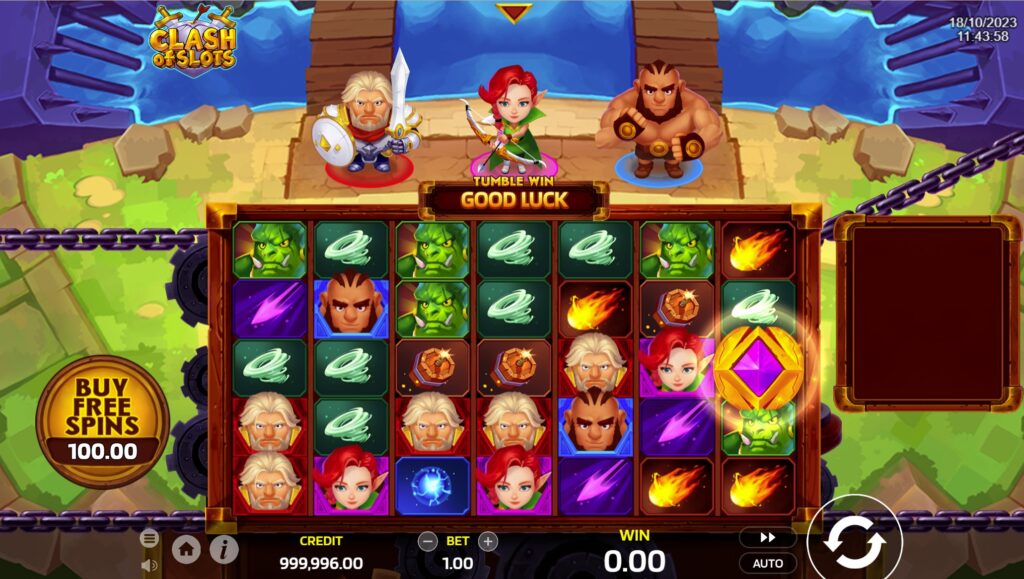
This involves direct partnership with each provider, such as LuckyStreak, that has its own in-house casino games. You’re connecting directly to their studios where Blackjack, Roulette and Baccarat with real dealers is streamed live. LuckyStreak has been doing this since 2014 and has MGA B2B recognition as well as tools like our LuckyJackpots leaderboard.
Why might you choose to do direct? Because you will retain that direct relationship with the provider to negotiate prices, have a direct integration into their games, and have support direct from the technology owners.
However, there’s a downside. Each provider requires you to implement, test and maintain a separate API connection. Each different, limited consistency, multiplying the technical effort.
The USP of the Casino Aggregator
Everyone in the industry knows that casinos thrive on choice.
Aggregators like LuckyConnect let you offer more than 6,000 high-quality live games from dozens of studios, all from one key. Your customers can play the latest Yggdrasil slots one day and Ruby Play hits the next.
You get to pick and choose the providers and games you want, whether it’s based on player preferences in a particular market, licensing requirements, or test marketing without the risk. LuckyConnect’s solution includes back-office benefits, including real-time analytics, content management and ongoing tech support.
For smaller operators, this is a considerable benefit.
There’s no need for a huge IT team. LuckyConnects Universal Provider API (UPAPI) even lets new providers plug in easily, which triples the speed of onboarding. Growth of the practice in 2023 showed how much it appeals to operators, with increasing player volumes and easy scalability.
If your goal is to expand rapidly without borders, the use of a casino aggregator will keep you competitive, especially in crowded markets where players prioritise variety.
Lastly and most importantly: a good aggregator will provide insight and recommendations to inform your decisions, not just lots of games. They sit on vast amounts of real market data and can (should) advise you about which games will perform best in different circumstances.
In 2026, high performing aggregators are content curators, no longer just content warehouses.
The Advantages of Going Direct
Direct live dealer integration is ideal if you’re interested in specialisation.
LuckyStreak’s focus on live casino games means you get seamless, stable streams thanks to our proprietary tech, which is not impacted by the involvement of an interstitial entity like a content aggregator.
The direct route offers you more opportunity for bespoke promotions. It’s ideal if live casino represents around 70% of your traffic. There’s no reason to dilute it with aggregated noise when you can concentrate instead on perfecting that core.
You should also consider your margins, which might edge higher when there’s no casino games aggregator taking a cut. That said, aggregators can negotiate lower provider prices than a single casino.
Key Considerations
What stage are you at? Is your casino new? Are you looking to scale quickly or enter new markets? Is your existing aggregator’s offering limited or are they inflexible?
If so, aggregation is the better option to massively enhance your casino offering overnight.
LuckyConnect’s single API gets you live games, slots, crash and instant games in one move.
Does your casino already have loyal fans of a particular genre, like live dealer? Are you a large operator that wants a close provider relationship? Then, the direct route may be preferable, giving you the opportunity to build out this one genre and focus on customisation.
What about the pressure on your development resources? With aggregators, you can cut the direct integration time from months to hourts when you want to enable a new provider through your existing API.
Then there are the relative costs. Aggregators price by volume while direct integration might be cheaper in the long-term but expensive to begin with.
And compliance: different providers have different licenses and certification, making it a complicated task to research the right ones for your market. A good aggregator like LuckyConnect will have this information already, just tell us the markets you want to operate in and we’ll offer you a menu of providers.
Comparing Aggregators Versus Direct Integrations
Here we provide a comparison between using an aggregator for the provision of multiple providers, and having individual direct integrations with multiple providers.
| Factor | Casino Content Aggregator | Individual API Integrations |
| Game Volume | Instant access to thousands of games via one integration. | Limited to each provider integrated; scale requires multiple builds. |
| Game Variety | Slots, live casino, crash, bingo, instant, virtual sports and more in one portfolio. | Strong depth per provider, but limited cross-vertical coverage without multiple integrations. |
| Technical Integration Effort | Single API, unified documentation, one certification process. | Separate API builds, authentication methods and QA per provider. |
| Time to Market | Fast deployment. New providers enabled without major dev work. | Slower rollout; each provider requires full development cycle. |
| Resource Requirements | Lower internal tech and project management demand. | High cumulative development and maintenance workload. |
| Commercial Management | One contract, one commercial framework, centralised invoicing. | Multiple contracts, revenue agreements and reconciliations. |
| Reporting & Analytics | Standardised reporting across all games. Easier portfolio-level analysis. | Different reporting formats per provider; requires internal consolidation. |
| Player Experience Consistency | Unified game launch flow and wallet structure. | UX and wallet behaviour vary by provider. |
| Compliance & Certification | Aggregator often streamlines jurisdiction and regulatory processes. | Separate certification and compliance checks per provider. |
| Scalability | Highly scalable; adding content does not increase integration complexity. | Growth tied to internal technical capacity. |
| Cost Structure | Lower integration cost; aggregator margin included. | Potentially stronger direct margins, but higher operational cost. |
| Market Testing | Easy to enable new provider to test performance; low risk | Adding new providers for market testing requires a new integration; risk of getting it wrong is costly |
| Operational Risk | Dependency on aggregator relationship. | Fragmented ecosystem risk across multiple partners. |
Making Your Choice
It doesn’t have to be one or the other. You could settle on a combination of both. Whichever you choose, think of an aggregator as a partner – consultant, advisor, curator – not just a vendor. They’ll give you the access, tools and support you need to keep your customers coming back for more.
If you would like to discuss your setup in more detail, speak to our team and we can talk through the options to find the right approach for your business.


Add a Comment